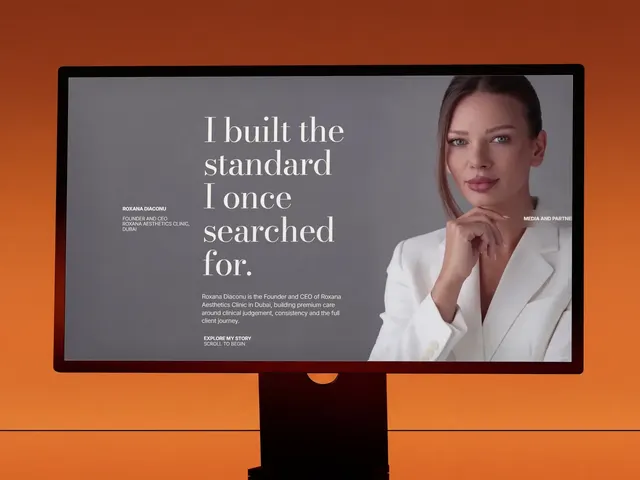
 Personal brands
Roxana Diaconu
- Design
- Development
- 3D and motion
Web design & development
Banking UX design in Dubai, from the first research interview to a tested prototype your developers can build. Adnika designs mobile app and online banking journeys your customers finish without calling the branch.
A senior person reads this and replies within one working day. No call centre, no drip sequence.
The form did not load.
It is our end, not yours. Email us instead and it reaches exactly the same person.
Support@adnika.comClients and platforms
A few brands from our client work, and the platforms we build on.


Websites, online stores, apps and SEO for clinics, developers, brands and founders. Pick an industry or a service, or search for a client.
View all case studies Personal brands  Corporate
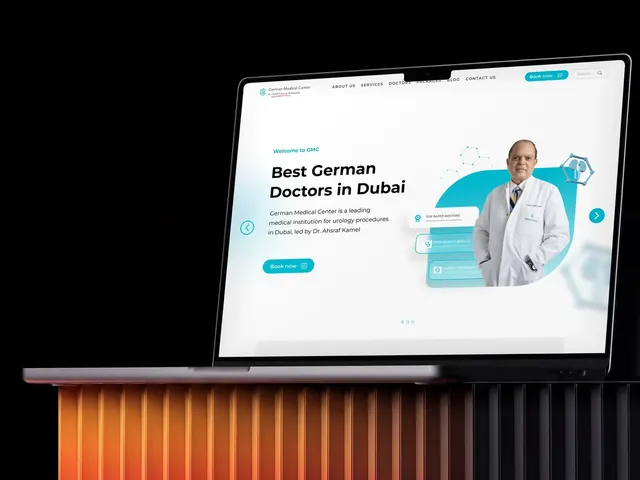 Healthcare
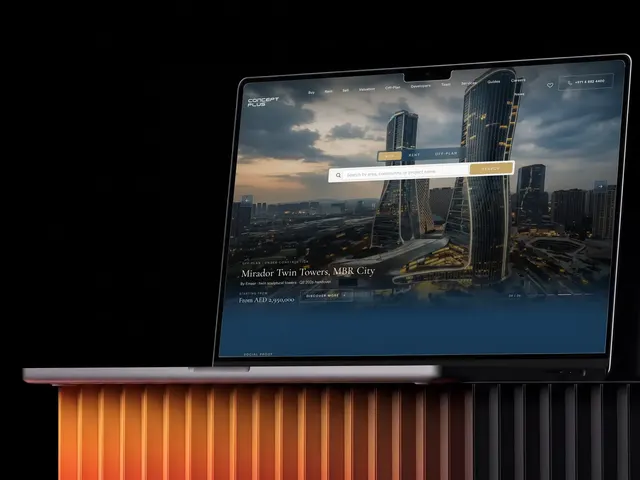 Real estate
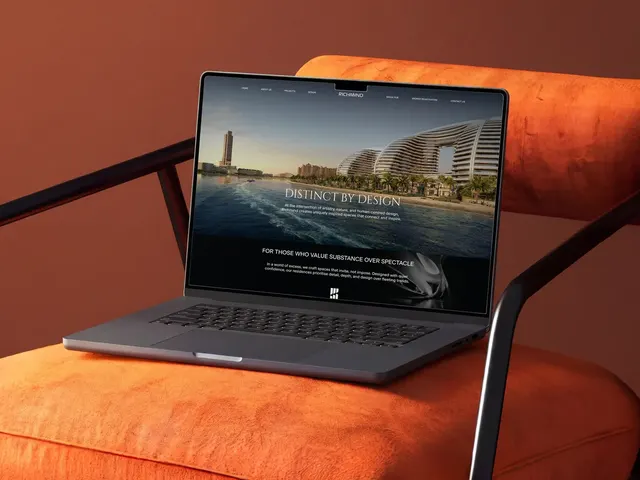 Real estate
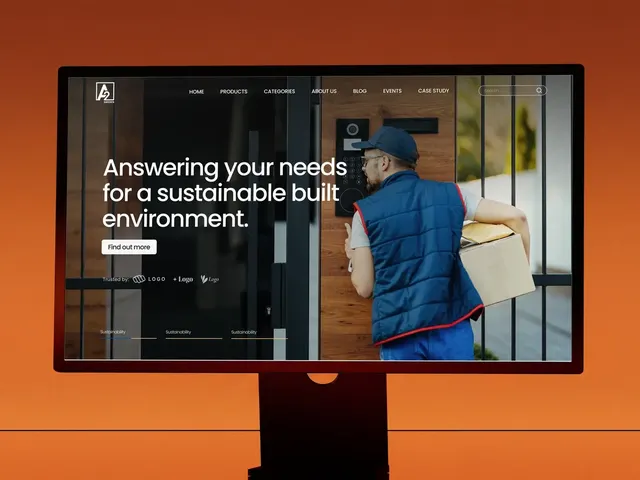 B2B and industry
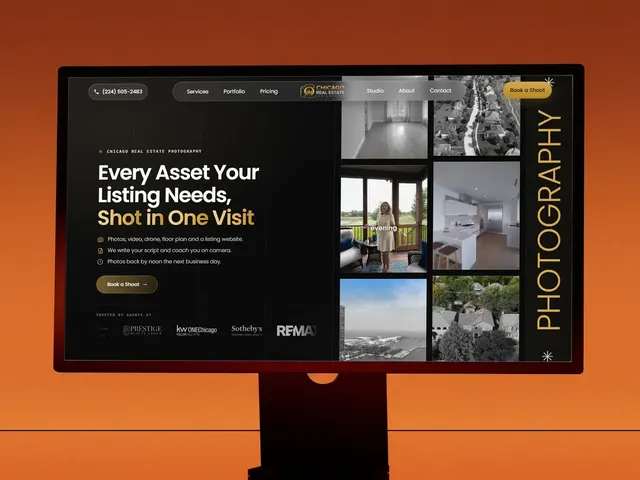 Real estate
 Real estate
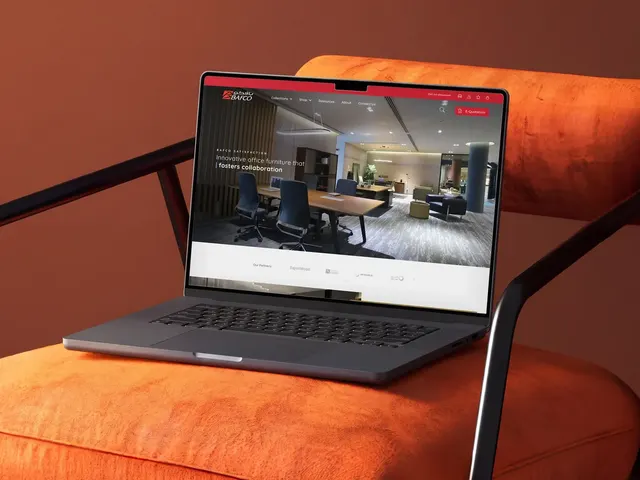 Retail and e-commerce
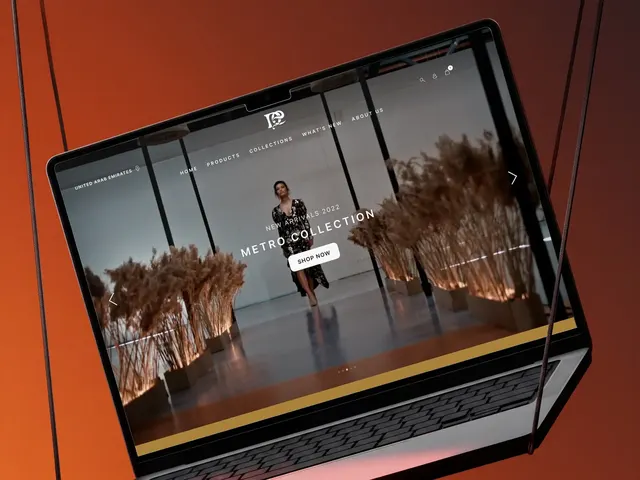 Retail and e-commerce
 Healthcare
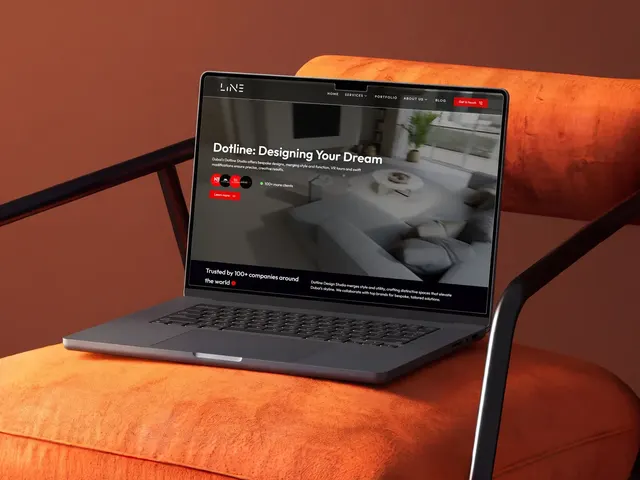 Interior design
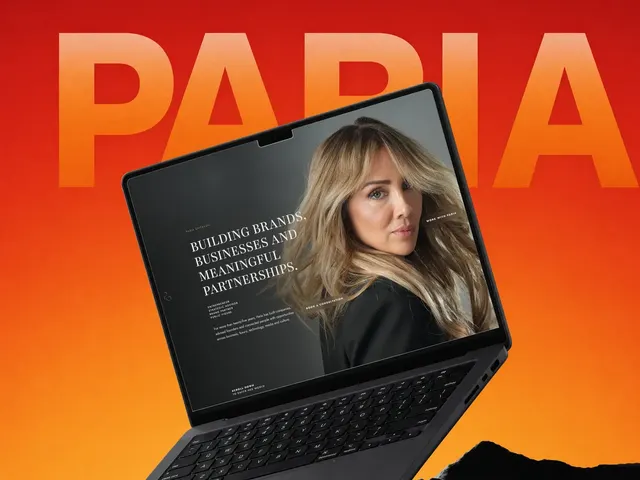 Personal brands
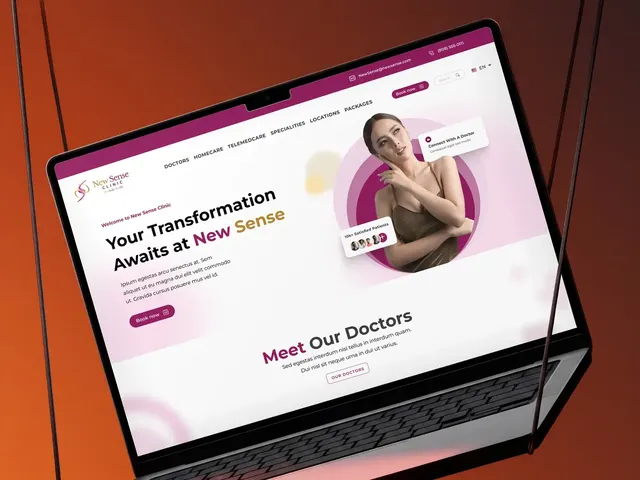 Healthcare
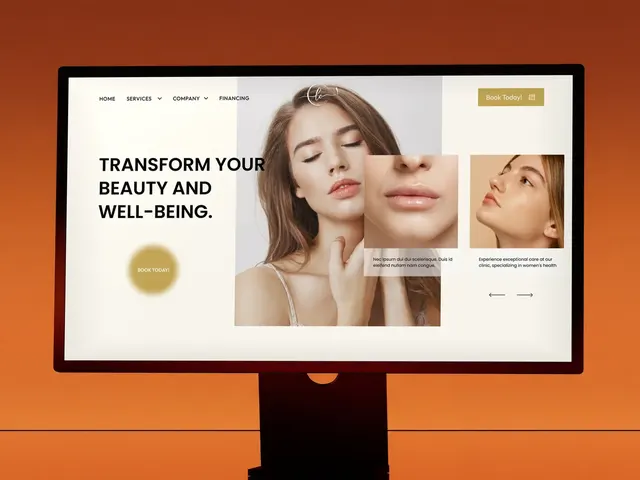 Healthcare
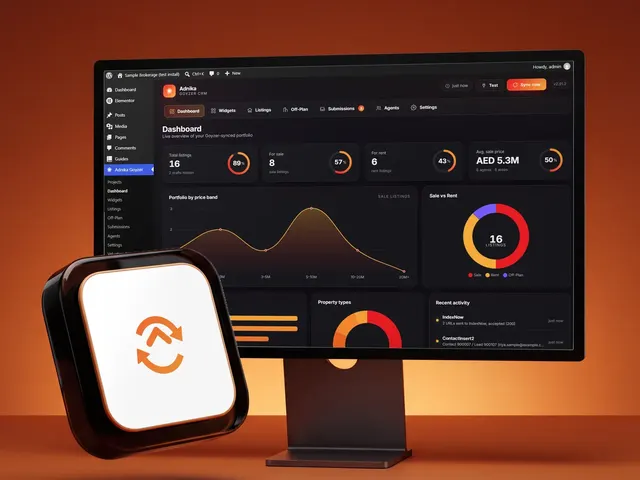 Real estate
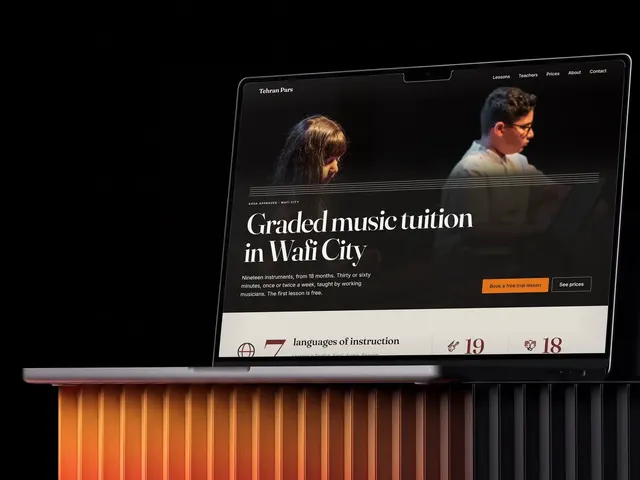 Education
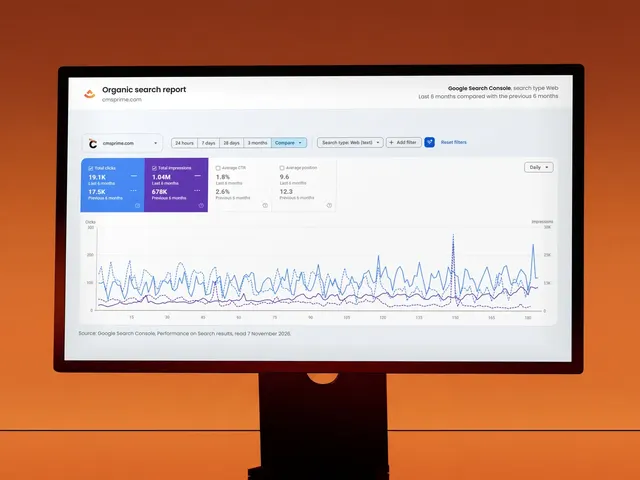 Finance
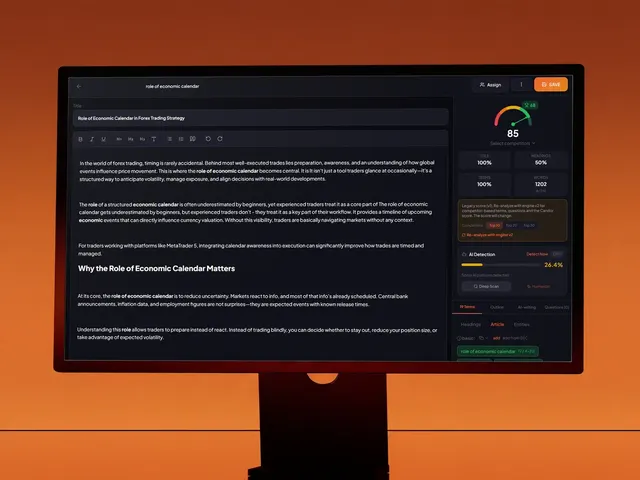 Our own products
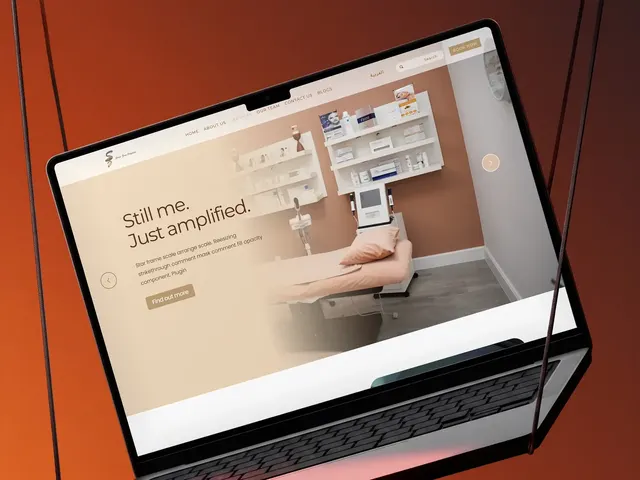 Healthcare
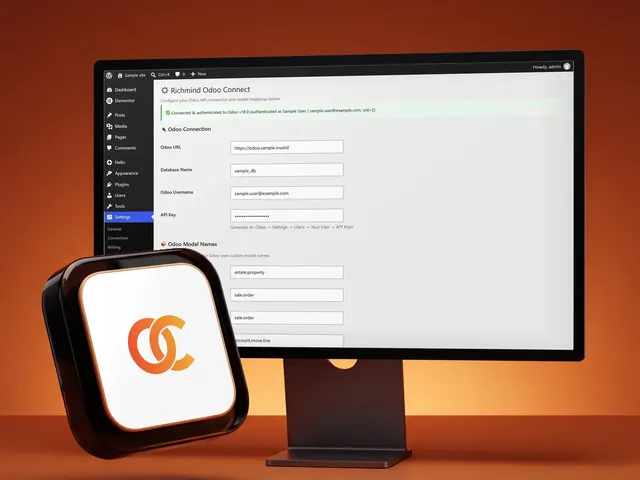 Real estate
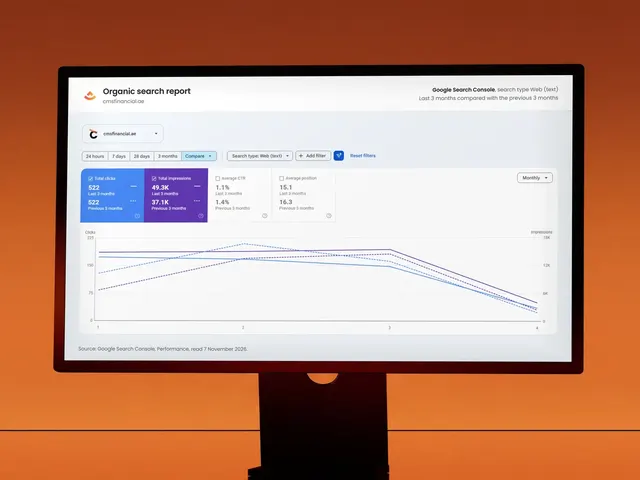 Finance
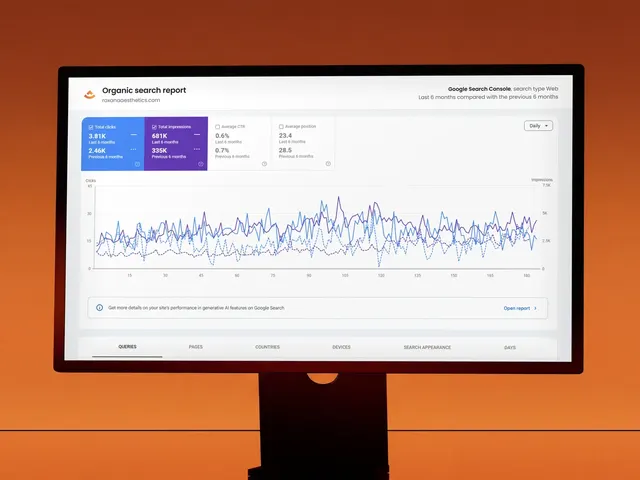 Healthcare
 Our own products
 Our own products
 Our own products
 Healthcare
Nothing matches that yet.
What we do
Customers judge a bank by its app and website, often before they speak to anyone. When a transfer screen confuses them or a loan form asks for the same document twice, they call the contact centre or give up. Banking UX design fixes those moments by studying how people use your product and redesigning each screen around the task. The outcome is fewer drop-offs and a product customers trust with their money.
Each product change starts with evidence from your customers and your analytics, so decisions rest on facts instead of opinions.
We start by talking to your customers and reading your product analytics. Interviews and support tickets show where people hesitate, which banking terms they misread and which steps they abandon. That evidence becomes a ranked list of problems, ordered by their impact on conversion and on calls to your contact centre. Your product team sees exactly why each change is on the plan.
Customers open your app with a job to do, such as paying a bill, adding a beneficiary or checking a card limit. We map each task as a journey and remove every step that adds nothing for the customer. Complex rules stay in the background, and the screen asks for one clear decision at a time. Fewer steps mean fewer chances to give up halfway.
Trust in a banking product comes from small details. Fees appear before the customer confirms, error messages say what went wrong and how to fix it, and security checks explain themselves. We design a UI that feels calm and consistent across the app and the website, in Arabic and English. Consistency is what makes people comfortable moving money on a phone.
How we work
Banking UX design covers more than the mobile app. We work across the four places your customers meet your bank online, and each needs its own approach. Pick the area your product team is working on, or bring us in for the whole digital ecosystem.
The mobile app is where much of daily banking happens, so small problems add up fast. We redesign the screens customers use every week, from login to transfers, and trial new product features before your developers commit to them. Every flow gets interaction design suited to one hand and a small screen. Biometric login, card controls and notifications are planned as one connected system.
Online banking on a laptop serves different tasks from the app, such as bulk payments, statements and account management for small businesses. We design dashboards and tables that stay readable with hundreds of transactions on screen. Our designers plan for keyboard use, screen readers and session timeouts so the service holds up for every customer. The same components carry across to your app, which keeps the two channels consistent.
Your public website does the selling before anyone downloads the app. We structure pages for your products and services so visitors can compare options and see eligibility in plain language. Calculators and application forms get the same care as the app, because that is where conversion happens. Where it helps, Adnika builds the site in WordPress and connects lead forms to HubSpot.
Account opening is the most critical journey in any digital banking product. We design onboarding as a short sequence covering identity checks, an Emirates ID scan, a selfie and the first deposit. Each step explains why the bank needs the information and what happens next. Customers who drop off can come back later and continue from the same step.
How we use AI
Our design process starts with an overview of your product, your analytics and the journeys customers complain about most. Interviews with customers and contact centre staff show where people struggle and why. We review competitor apps in the UAE and abroad to find patterns your customers already know. We then present a findings report with each problem ranked by its effect on conversion and support calls.
Next we map each priority journey from the customer's first tap to the final confirmation screen. We define the information architecture, the navigation and the content each screen needs in Arabic and English. Concepts are sketched as low-fidelity wireframes so your team can react before any visual design starts. This stage is where problems are cheapest to fix.
We turn approved concepts into a full UI with a reusable component library for your developers. Colour, type and spacing follow your brand while meeting accessibility contrast standards. The screens are linked into a clickable prototype that behaves like the real product. Your stakeholders can tap through it on a phone and comment before any code is written.
We test the prototype with real customers who match your audience, in Arabic and English. Each session sets tasks such as opening an account or sending money abroad, and we watch where people hesitate. Findings feed straight back into the design, and we retest anything that changed. You get recordings, a summary of the usability issues and the fixes we made.
Developers get annotated screens, component specs and the final design files in one place. We stay involved during the build to answer questions and review screens against the design. If your website runs on WordPress, Adnika can build it as well. The goal is execution that matches the approved design on every screen.
After launch we track the completion rate of each step and the other metrics agreed at the start. The Adnika Dashboard: one live view of a client's ads, analytics and CRM data, with AI recommendations reviewed by the strategist. For a banking product, that view puts onboarding drop-off next to the campaign traffic that brought each applicant in. We use it to plan the next round of design changes.
Why us
Two offices, in Dubai and Stockholm, give Adnika a local team and an international view of digital banking products. The same team designs and builds websites and runs the campaigns behind them, so no part of the journey is planned in isolation. Every recommendation is tied to a measurable result for your bank.
A common problem in UAE banking apps is Arabic added at the end, which breaks layouts and confuses customers. We design both languages side by side, with right-to-left layouts, Arabic typography and number formats checked on every screen. For German Medical Center, a multi-specialty clinic in Dubai, Adnika replaced two separate websites with one centralised WordPress site in English and Arabic. Bilingual design is part of every project from the first wireframe.
Our designers do not guess what customers want. Design concepts are tested with people who match your audience, and each change is checked against your analytics after launch. This user-centred approach keeps internal opinions from steering the product. It also gives your board clear insights when approving the next round of work.
Banking UX has to balance usability with security, and the two often pull in opposite directions. We design one-time passwords, biometric prompts and step-up checks so they feel protective rather than obstructive. Every security message tells the customer what is happening and what to do next. The goal is a safe product with fewer abandoned sessions.
Design work often stops at handover, long before anyone sees the results. Adnika also builds websites and runs digital marketing, so we see how design changes influence acquisition, onboarding and retention. Your product and marketing teams then work from the same numbers. It is a practical advantage when every project has to show a return.
Banking is for everyone, including older customers and people with low vision. We follow WCAG accessibility guidelines for contrast, text size, focus order and screen reader labels. Accessible screens tend to be easier for every customer to use. They also widen the audience your bank can serve online.
Customers in Dubai come from many countries and bring expectations from the banking apps they used at home. We study international banking apps alongside local ones, then adapt what works to UAE habits such as salary transfers and sending money abroad. The result feels familiar to expats and Emiratis alike. New product features are judged by how well they fit those habits.
Capabilities in detail
Each project is scoped to your product and the team you already have, and most include the deliverables below. You can run any item on its own or combine several into a full redesign of your digital banking experience.
We review your digital product against established usability principles and your own analytics data. Each issue is logged with a screenshot, a severity rating and a recommended fix. The audit gives you a prioritised list to act on, even if the redesign happens in-house. It is a quick way to identify the critical problems and the easiest opportunities for improvement.
We run interviews, surveys and contextual sessions with your customers in Arabic and English. We recruit people who match your segments, from salary account holders to small business owners. Findings show what customers expect from a bank, where trust breaks and which features they ignore. Research also points to product opportunities your team may not have considered.
We map the full journey across app, website, branch and contact centre, including the steps customers never see. Service blueprints show each team's responsibilities at every step and where hand-offs fail across your organisation. This gives product owners and operations teams a shared picture of how your products and services reach customers. It often exposes delays no screen redesign could fix on its own.
Banking apps tend to grow feature by feature, and the menu gets harder to use with each release. We run card sorting and tree testing with customers to rebuild the menu around the words they use. Products and services are grouped the way customers think about them, rather than by internal department. Search and navigation become predictable again.
Interaction design decides how each screen responds to a tap, a swipe or an error. We define what happens while a payment loads or fails, and write the microcopy that guides customers through it. We translate complex banking terms into plain words while keeping the meaning exact. Small details like these decide whether a customer trusts the app with a transfer.
A design system gives every digital channel of your bank one visual language. We build a component library with documented states and variants for Arabic and English. Your designers and developers stop rebuilding the same elements, which improves efficiency on every release. It also keeps the brand consistent as different teams add to the product.
Clickable prototypes let your team and your customers try a journey before it is built. We run moderated sessions in person in Dubai, or remotely so customers use the app in their own environment. Each round produces a short report and video clips of the critical moments. Testing early concepts costs far less than fixing a released product feature.
We define the metrics for each journey before design starts, such as completion rate, time to complete and drop-off by step. Your developers get an event plan so the analytics match the design. After launch, results show which changes worked and where to focus next. This keeps the design process accountable to numbers your management already tracks.
Some banks need a plan before they need screens. We review your digital ecosystem, from the app to the website, and set out a UX strategy for the next releases. The roadmap ranks each opportunity by customer value and effort. It gives your product team a clear order of work.
We design right-to-left layouts alongside left-to-right ones, so each screen works in both directions. Arabic copy is reviewed for tone and clarity, and numbers, dates and currency follow the format customers expect. Icons that point in a direction are mirrored where needed. Customers can switch language without losing their place in a journey.
Technology
Good banking UX comes from sound methods applied in the right order. These are the methods we use for experience design on banking and fintech products, grouped by stage.
Research: understanding customers and the business before anything is designed.
Structure: turning findings into journeys and a clear information architecture.
Interface: the screens, components and states your developers will build.
Validation: checking the design with real customers before release.
Delivery: what your team receives and what happens after launch.
Industries
Every number below is the count of case studies we have actually published in that sector, and the best result among them. Nothing is a counter.
Client stories
On camera and in writing — swipe through the founders and teams we’ve helped design, build and grow.
In their words
GMC is thrilled to extend our heartfelt appreciation to Adnika! Collaborating with Ehsan and his team has consistently been an absolute delight. Ehsan's dedication and commitment have ensured that German Medical Center remains an exceedingly satisfied and happy client, especially regarding their Hubspot Onboarding, Digital Marketing, Website Development, Content Creation and Social Media Marketing. Adnika is indeed the Best Digital and Growth Marketing Agency in UAE!
Adnika provided us with their Inbound Sales and Marketing solutions through Hubspot. They helped us generate more qualified leads for our sales team, drive website traffic, increase customer engagement, and grow our customer base. Adnika is a reliable partner that has always taken our specific goals and needs seriously.
Adnika has helped us plan, implement and optimize ad campaigns on Facebook and Instagram. Adnika is truly committed to Performance Marketing. They provided us with a fantastic dashboard with detailed KPIs that helped us track the campaigns’ performance in real time. Adnika also gave us helpful and dedicated support during the whole project, and the campaigns turned out to be a great success. We highly recommend working with Adnika's growth experts.
We really enjoyed working with Adnika’s team. Not only are they talented, but they all take the time to understand whom they're working with, what they're trying to accomplish, and how to help the business achieve its goals. The quality of work we've experienced has made a huge difference for us and helped drive new business.
Adnika helped Sea Technology with setting up new digital channels, such as Google Search Ads, to attract more customers and leverage our brand. We are very satisfied with the results and we will continue with the implementation of lead generation, marketing automation, and performance marketing.
Working with the Adnika team has been a real pleasure! Extremely friendly, Ehsan and Elin are always available with prompt replies, valuable insights, patience, a problem-solving attitude, and high knowledge. Super easy to work with them. I highly recommend the Adnika team to help your business!
I am an artist, but I also manage a collective of DJs. In order to promote our services to our clients, we needed Inbound solutions that could attract the right traffic and promote the brand. Adnika built and designed our Inbound processes as well as create and manage campaigns on social media and Google Ads which helped us attract many more customers. I’m very happy!
We've been using Adnika growth marketing solutions only for a few months. They are highly professional, competent, experienced, and creative. Get ready to get to work with this agency. They will come alongside you as a business owner and feel your pain and joy! Get ready to transform your business.
FAQ
Answers to the questions banks and fintechs in Dubai ask before starting a UX project. If yours is not here, send it to us through the form above.
Banking UX design is the practice of making digital banking products clear and safe to use. It covers research, journey mapping, interface design and testing across your app and website. In Dubai it also means designing for Arabic and English readers from the first sketch. Done well, it helps customers achieve their financial goals without calling for help.
It is for banks and fintech companies in Dubai and across the UAE, including teams building embedded finance products. Product and digital teams bring us in to redesign an app, fix a sign-up flow or plan a new product before launch. It also suits international banks entering the UAE that need their journeys adapted to local customers. Adnika's client base includes fintech, alongside sectors such as healthcare and retail.
Banking products carry higher stakes, because a confusing screen can cost a customer money or lock them out of their money. The design has to explain fees, limits and security without overwhelming people. Journeys also involve identity checks and approvals behind the scenes. For a general business site, see our web design company in Dubai page.
Yes, every project is designed in Arabic and English side by side, with right-to-left layouts checked on each screen. Arabic copy, number formats and icon direction are reviewed for each journey rather than mirrored at the end. If your public site also needs a bilingual rebuild, our Arabic website design service covers it.
Yes, we design mobile banking apps for iOS and Android, from a single new feature to a full redesign. The work follows each platform's conventions so customers feel at home, with interaction design suited to one-handed use. We hand over screens and specs your developers can build from, or work alongside your app team. For the build itself, see our mobile app development in Dubai service.
It depends on how many journeys are in scope and how fast your team can give feedback. An audit of one journey is a short piece of work, while a full app redesign runs through several rounds of research and testing. We agree milestones with you at the start, so you see the plan before any work begins. Larger programmes are often split into phases that release one journey at a time.
Yes, and banking projects go better that way, because your product owners know the business rules. Your IT team knows what the core banking technology allows. We run joint workshops, share work in progress regularly and keep designs inside the technical limits your developers set. For deeper builds, our web application development team can work with them on the code.
We treat security as part of the user experience. Login, one-time passwords and biometric prompts are designed so customers understand why each check appears. Sensitive data is masked by default, with a clear way to reveal it. Your security and legal teams review the flows with us before anything goes to build.
You receive research findings, journey maps, a tested prototype and a full UI design system with Arabic and English variants. Developers get annotated screens and component specs ready for the build. We also hand over the measurement plan, so your team can track whether the new design works. Everything sits in shared files your team can keep editing after the project ends.
We agree the success measures before design starts, such as account opening completion, in-app engagement and calls to the contact centre. Event tracking is set up so those numbers come straight from the live product. After launch, we compare the new journeys against the old baseline and report what changed. The results guide the next round of design work and give your board evidence for the investment.
Yes, and it is often a sensible place to begin, with the journey that loses the most customers. We audit it, redesign it and check the new version with customers, then measure the result before moving on. Starting small shows your stakeholders the value of the work. It also produces design system components you can reuse for the next journey.
Yes, where your public website collects leads or sign-ups. We design the forms and the hand-off so each lead reaches the right team with the details it needs. Adnika works with HubSpot and can connect it to your site. Our CRM integration service covers other systems too.
In most cases, yes, because much of banking UX lives in the app and web layer. We can improve screens, wording and flows without touching the core system. Where a better journey needs a change behind the scenes, we flag it early with the reason and the benefit for customers. Your IT team then decides what goes into the technology roadmap.
Banking apps evolve with every release, so the design needs regular upkeep. We can stay on to maintain the system, design new features and review analytics with your team. New trends are tested against your own data before they reach every customer. This keeps the product consistent as it grows.
No questions match — try another search.
Free resources
Templates and calculators from Adnika to help you plan the work around a banking UX project. Use them to map content, set lead goals and judge test results after launch.
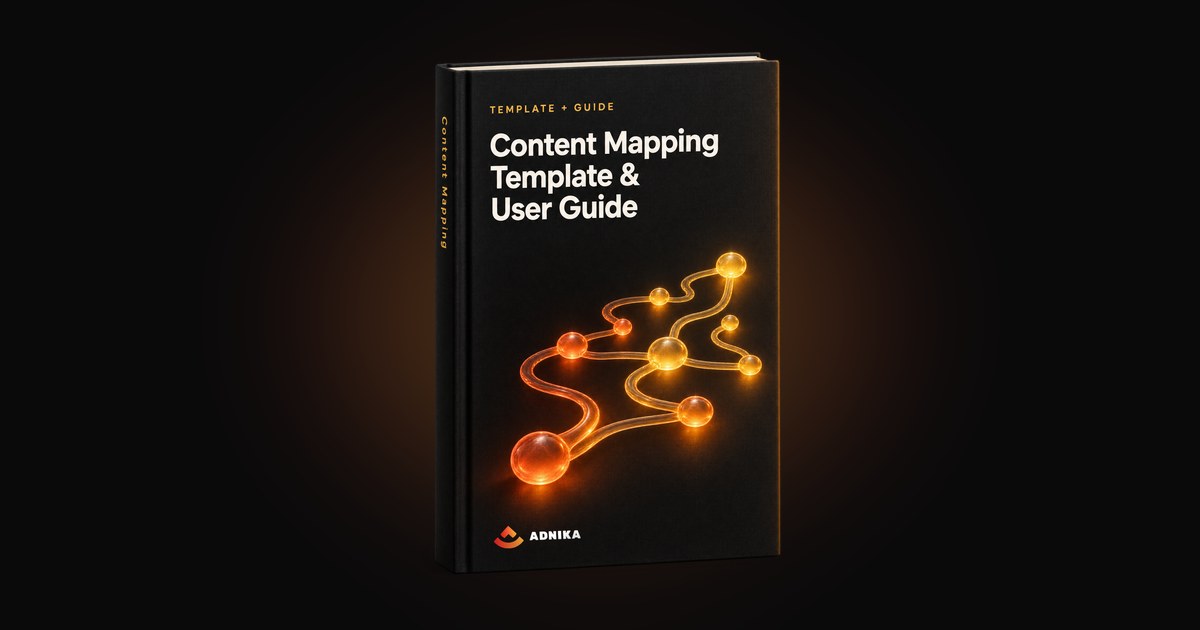
A crash course on content mapping plus a Word template with persona profiles and a content map per lifecycle stage. It can help you decide what each page must say.
A Word marketing plan with a SWOT table, personas, a marketing mix, a budget table and a channel plan. The site brief can then start from the wider plan.
A Word e-commerce marketing plan and an Excel tracker for traffic, add-to-cart, checkout and repurchase rates by channel. Useful when the new site will sell online.

A significance calculator and an Excel test tracker for deciding when an A/B test result is real. It can help you judge page changes after launch.
Work out how many leads sales needs from marketing each month to hit the revenue target, then track progress by region. Useful for setting the site's lead goal.

Where this sits
Banking UX design often sits alongside other work, from a new corporate website to a web application or a mobile app build. These related services share the same team and design process.
Next step
Share your banking product and the journey that worries you most, and we can suggest a sensible first step.