 Personal brands
Roxana Diaconu
- Design
- Development
- 3D and motion
Web design & development
Ecommerce website development from our Dubai team, building Shopify and WordPress stores in Arabic and English with checkout and tracking ready before launch.
A senior person reads this and replies within one working day. No call centre, no drip sequence.
The form did not load.
It is our end, not yours. Email us instead and it reaches exactly the same person.
Support@adnika.comClients and platforms
A few brands from our client work, and the platforms we build on.


Websites, online stores, apps and SEO for clinics, developers, brands and founders. Pick an industry or a service, or search for a client.
View all case studies Personal brands  Corporate
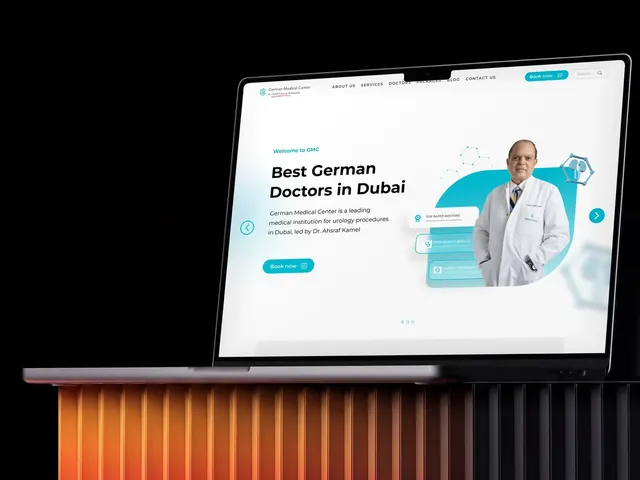 Healthcare
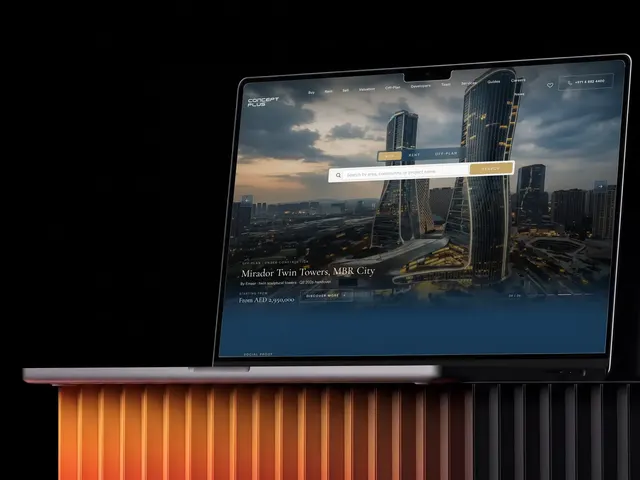 Real estate
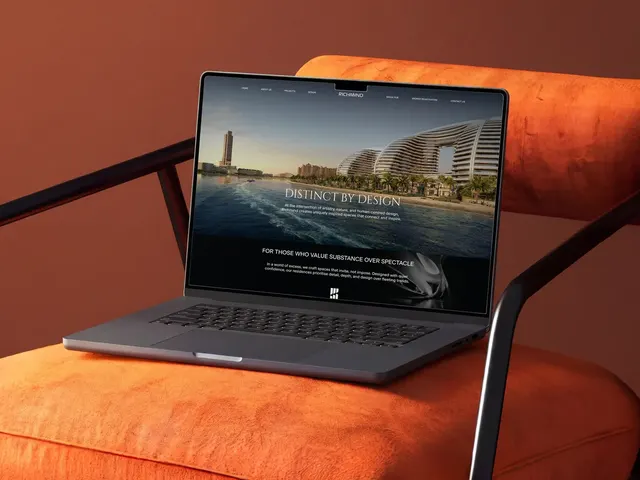 Real estate
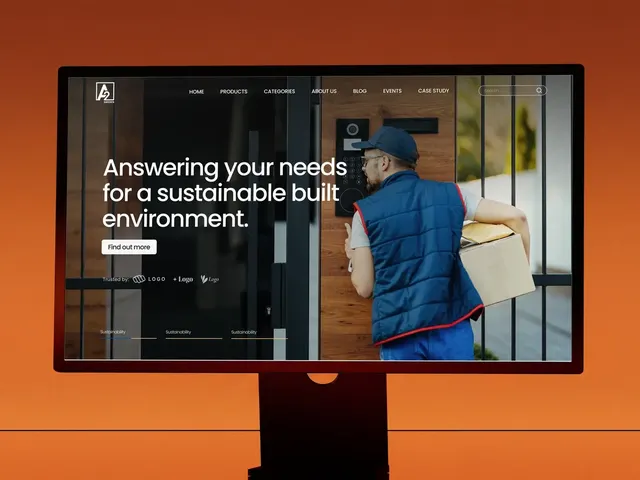 B2B and industry
 Real estate
 Real estate
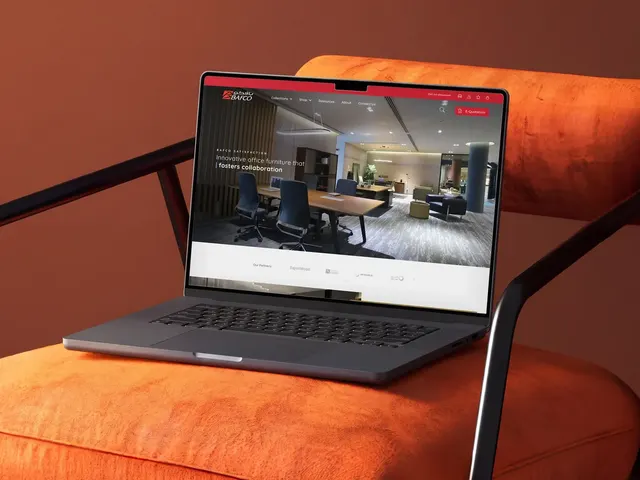 Retail and e-commerce
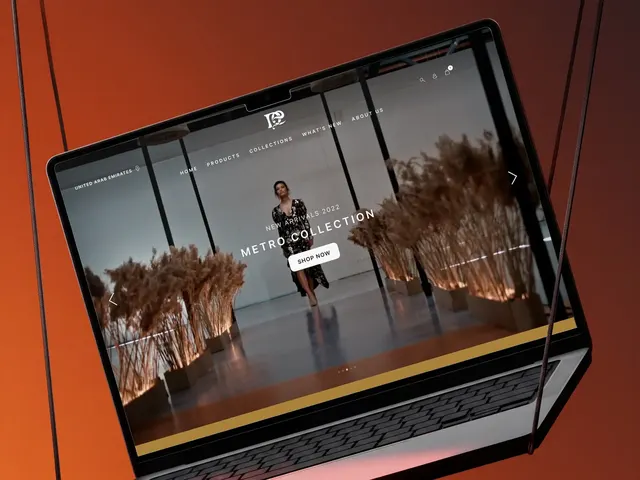 Retail and e-commerce
 Healthcare
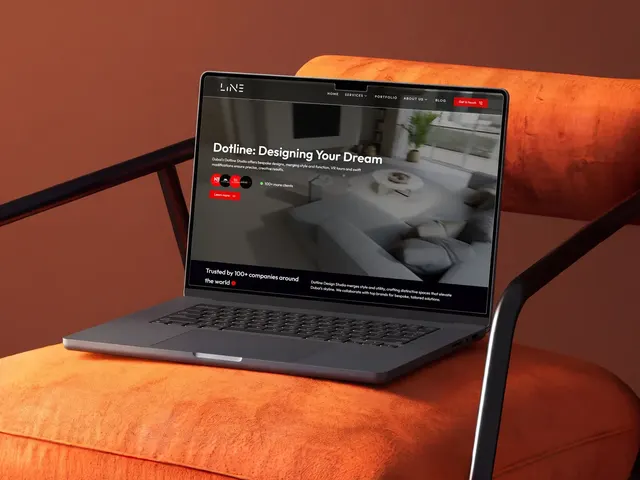 Interior design
 Personal brands
 Healthcare
 Healthcare
 Real estate
 Education
 Finance
 Our own products
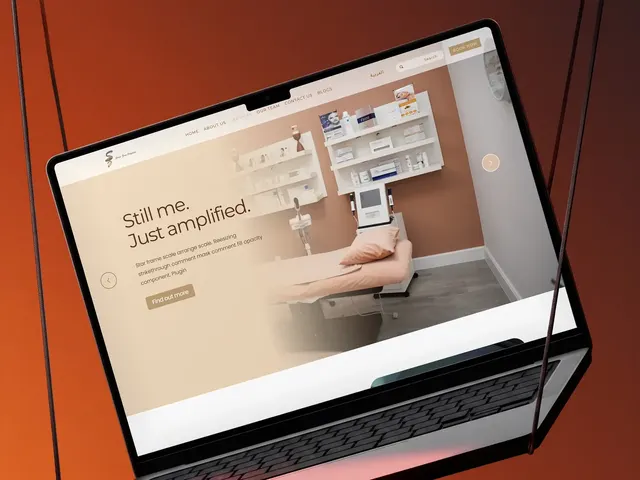 Healthcare
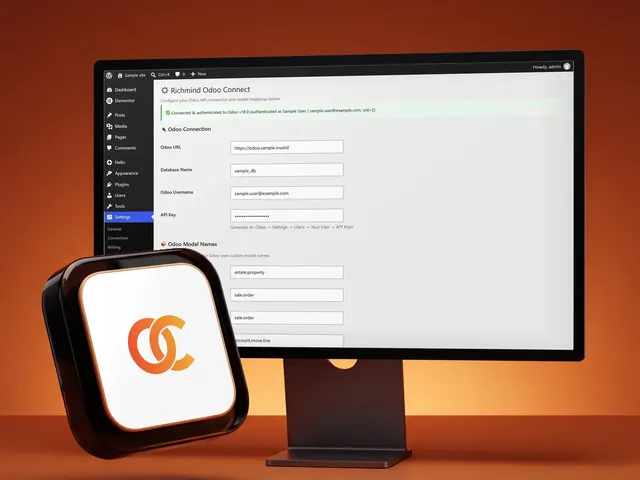 Real estate
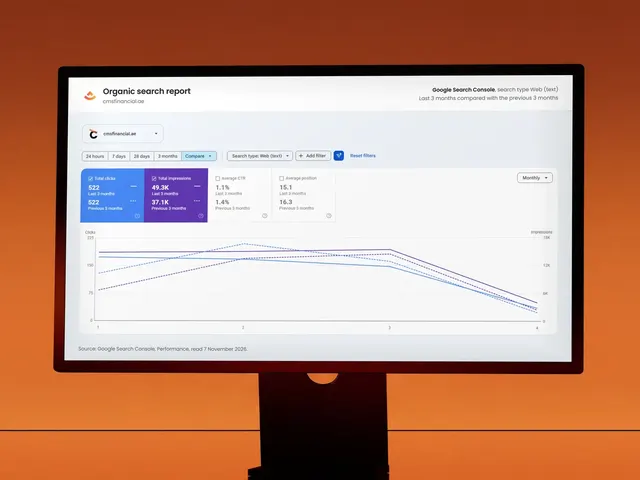 Finance
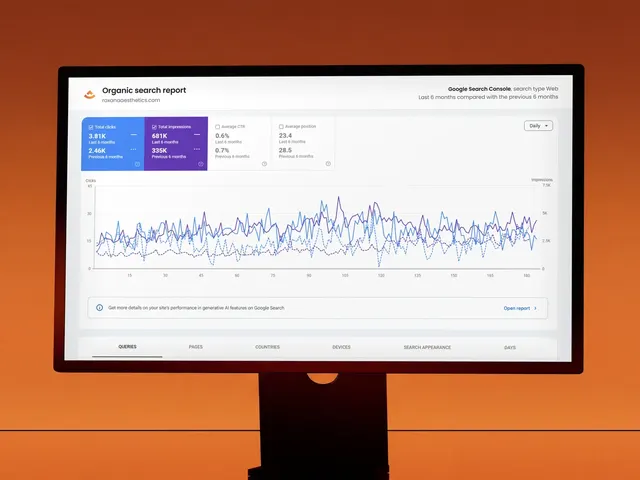 Healthcare
 Our own products
 Our own products
 Our own products
 Healthcare
Nothing matches that yet.
What we do
A well-designed ecommerce website allows businesses to sell products at any hour, yet many online stores lose customers in the same few places. Good ecommerce web development removes those common mistakes before launch, so the traffic you pay for turns into orders. The points below are where we put most of the effort.
Planned for the way people in the UAE do their online shopping
We start with your catalogue before we look at themes or layouts. How many products you carry, how variants work and what shoppers compare all shape the store setup. A fashion brand with sizes and colours needs different filters from a supplier selling spare parts in bulk. Getting this right early saves rebuilding filters once the range grows.
Shoppers in Dubai often pay by card, Apple Pay or a buy now pay later plan. Cash on delivery is still common for first orders. We set up multiple payment methods to match your audience and test each route before launch. A familiar way to pay builds trust at the last step of the order.
Every ecommerce website we build reports revenue by channel and by product from the day it goes live. You see which ads pay for themselves, which product pages lose visitors and where checkout drops people. Those insights decide the next change instead of guesswork. Reports are set up in plain language, so you do not need an analyst to read them.
How we work
Whether you are opening your first online store or moving an ecommerce store, our ecommerce web development work fits one of the areas below. Pick the one that matches where your ecommerce business is today. Many projects touch two of them, such as a migration followed by growth work.
A new build starts from your products and how your customers buy. We design the user interface, plan the structure and build a custom ecommerce website on Shopify or WordPress with WooCommerce. The choice depends on your range and on who will run the site day to day. Either way, the ecommerce website looks like your brand, and you avoid the cost of features you will never use.
Moving from one ecommerce platform to another is where stores lose rankings and orders if the move is rushed. We map every product page and carry over customer and order records. Old pages redirect to new ones, so search engines keep the trust your site has earned. The new ecommerce website goes live only after a full test of real orders.
Some stores still work but look dated, while others see orders slow down and nobody knows why. An ecommerce redesign starts with your analytics and a review of the user experience. That shows the areas for improvement that cost you orders, so we keep what converts and change what does not. Often the platform stays the same and only the friction goes.
An online store keeps needing work once it is live. After go-live we help you add products, run promotions and test changes against real results. We also connect the ecommerce website to the marketing tools you already use. That way your ads and your email speak to the same customer record.
How we use AI
We start with your products and your target audience. Together we settle the business model, the platform and the payment options, then agree what ecommerce success looks like in revenue terms. Only then does any design work start. For most brands this planning stage decides more about the final ecommerce website than any design choice.
Next we design the pages that matter most along the shopping journey. That runs from the home page and category pages to product pages and the shopping cart where shoppers add items. Each layout is checked on mobile first and then on desktop, and you review clickable layouts before we build anything. Nothing goes to build until the path from product page to order confirmation feels simple on a phone.
A dedicated ecommerce development team builds the ecommerce website and loads your product content. Payment gateways, shipping rules and VAT settings are connected and tested next, along with inventory sync where you need it. We set up tracking for each step of the funnel, from product view to purchase, so reports work on launch day. Each integration is checked with a real order before we call the build done.
Before launch we run test orders on every payment method and on the devices your customers use. After launch we watch the numbers, fix what slows people down and plan the next round of changes with you. Launch day is when real customers start to show you how the ecommerce website performs.
Why us
A good-looking store is only part of the job. You need an ecommerce web development company that knows the UAE market and can show where each order came from. That clarity becomes a competitive advantage when you decide where to spend next.
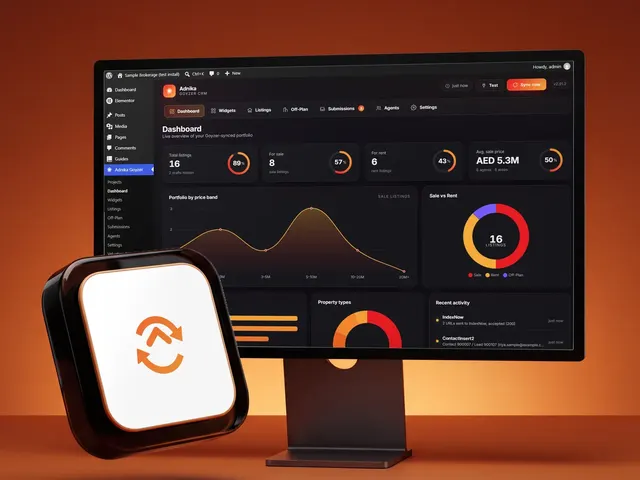
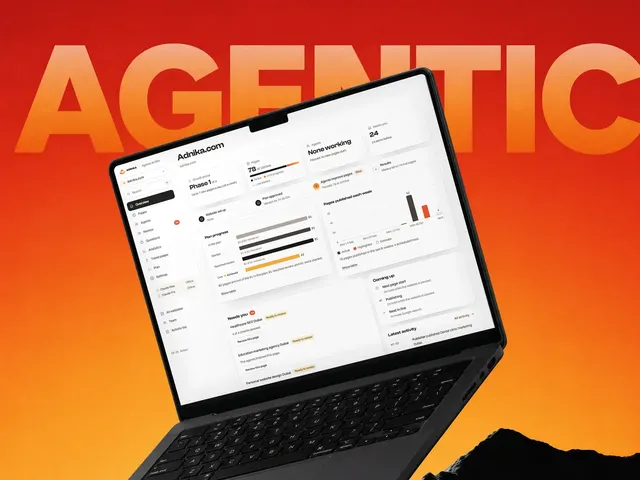
The Adnika Dashboard: one live view of a client's ads, analytics and CRM data, with AI recommendations reviewed by the strategist. On an ecommerce website project it shows which campaigns bring in orders. Budget can then move toward the products that earn the most.
We build each online store in Arabic and English with proper right-to-left layouts, rather than a translation squeezed into an English template. Product names, filters and checkout messages read naturally on both versions of the storefront. Nothing on the Arabic version is left half translated, down to the error messages on forms.
Our team brings 15+ years of experience across retail, FMCG, healthcare and start-ups. That range helps when one ecommerce website serves consumers and other businesses at the same time. We know how differently a supplier and a fashion label need their ecommerce website to behave.
Two offices in Dubai and Stockholm let us support local stores as well as brands that want to reach a global audience. We plan shipping zones, currencies and languages from the start rather than adding them later. That matters if you ship across the GCC or plan to open another market.
Capabilities in detail
The right build depends on who your customers are and how they buy. These are the models we plan for most often, and each one needs a different structure. If your model mixes two of them, we plan for both from the start.
B2C stores reach shoppers directly, so speed and a short checkout matter most. Clear product photos and prices sit up front, next to the payment options people already use, which keeps browsing simple. Fashion, beauty, electronics and home goods brands usually fall here. Most of the design effort goes into the product page, because that is where the decision happens.
A business-to-business store needs features consumer shops rarely use: trade pricing, bulk ordering, quote requests and account approval. We build these so your sales team spends less time on order admin. Customers also need product information they can trust, such as specs and live inventory. Logged-in accounts see their own price list, which saves your team a phone call.
Some platforms let individuals offer goods to companies, or let several sellers list on one site. These marketplace setups need seller accounts, commission rules and payout reporting. We plan permissions carefully, because errors here affect money moving between parties. Payout reports are tested with sample orders before any seller goes live.
For many brands Shopify is a cost-effective route to a stable store with reliable checkout. We set up themes, apps and checkout settings so your team can run the backend day to day without a developer. It suits brands with a focused range and a small in-house team. Each app we add solves one clear job, which keeps the site fast.
When content matters as much as products, WordPress with WooCommerce gives you control over pages, articles and the shop in one place. That flexibility suits brands that sell products and services together or need custom functionality. You own the code and choose your hosting. Hosting and updates need a little more care, which we plan for.
Coffee is a typical product people buy again once the bag runs out. We set up subscriptions, reminder emails and one-tap reorders so customers come back without starting from scratch. This model adds steady revenue streams alongside one-off orders. Customers can pause or skip an order without contacting you.
Stores with thousands of products need strong on-site search, useful filters and a clean category structure. We plan product data so imports and updates stay quick, and so Google can index every important page. Small businesses with a few dozen products need a lighter setup, and we size the build to match, keeping scalability in mind.
Some brands reach mostly Arabic-speaking customers. For them we design right-to-left first and add English after, so fonts, layouts and product names suit the main audience. Checkout messages and order confirmation emails follow the same language choice. Search results and filters also work in Arabic, so customers find products the way they type them.
Technology
We choose tools for your products and your team. Every build runs on a popular ecommerce platform with wide support, so maintenance is not tied to a system only we understand. Each pick is explained in plain terms, so you know why your ecommerce website runs on it.
Ecommerce platforms we build on
Ways UAE shoppers pay
Tracking and analytics for every order
Marketing tools connected to the store
Speed and security
Industries
Every number below is the count of case studies we have actually published in that sector, and the best result among them. Nothing is a counter.
Client stories
On camera and in writing — swipe through the founders and teams we’ve helped design, build and grow.
In their words
GMC is thrilled to extend our heartfelt appreciation to Adnika! Collaborating with Ehsan and his team has consistently been an absolute delight. Ehsan's dedication and commitment have ensured that German Medical Center remains an exceedingly satisfied and happy client, especially regarding their Hubspot Onboarding, Digital Marketing, Website Development, Content Creation and Social Media Marketing. Adnika is indeed the Best Digital and Growth Marketing Agency in UAE!
Adnika provided us with their Inbound Sales and Marketing solutions through Hubspot. They helped us generate more qualified leads for our sales team, drive website traffic, increase customer engagement, and grow our customer base. Adnika is a reliable partner that has always taken our specific goals and needs seriously.
Adnika has helped us plan, implement and optimize ad campaigns on Facebook and Instagram. Adnika is truly committed to Performance Marketing. They provided us with a fantastic dashboard with detailed KPIs that helped us track the campaigns’ performance in real time. Adnika also gave us helpful and dedicated support during the whole project, and the campaigns turned out to be a great success. We highly recommend working with Adnika's growth experts.
We really enjoyed working with Adnika’s team. Not only are they talented, but they all take the time to understand whom they're working with, what they're trying to accomplish, and how to help the business achieve its goals. The quality of work we've experienced has made a huge difference for us and helped drive new business.
Adnika helped Sea Technology with setting up new digital channels, such as Google Search Ads, to attract more customers and leverage our brand. We are very satisfied with the results and we will continue with the implementation of lead generation, marketing automation, and performance marketing.
Working with the Adnika team has been a real pleasure! Extremely friendly, Ehsan and Elin are always available with prompt replies, valuable insights, patience, a problem-solving attitude, and high knowledge. Super easy to work with them. I highly recommend the Adnika team to help your business!
I am an artist, but I also manage a collective of DJs. In order to promote our services to our clients, we needed Inbound solutions that could attract the right traffic and promote the brand. Adnika built and designed our Inbound processes as well as create and manage campaigns on social media and Google Ads which helped us attract many more customers. I’m very happy!
We've been using Adnika growth marketing solutions only for a few months. They are highly professional, competent, experienced, and creative. Get ready to get to work with this agency. They will come alongside you as a business owner and feel your pain and joy! Get ready to transform your business.
FAQ
Answers to what store owners in Dubai ask us most before an ecommerce development project starts.
The development cost depends on your product count, the platform and how much custom work the design needs. A focused Shopify store costs less than a B2B build with trade accounts and quote requests. We price each project after a planning call. Our website design pricing guide explains what drives cost.
It depends on the size of your catalogue and how much information needs to move. Developing an ecommerce website from scratch with a clear range moves faster than a migration with years of orders and customer accounts. Big imports with many product variants add time, so we check your data early. We agree a schedule with you after planning and share it in writing before the build starts.
Shopify suits most brands that want a stable store their team can run without a developer. WordPress with WooCommerce suits stores that rely on content or need custom features. We build on both as a web design company in Dubai. That means our advice is not tied to one platform.
Yes. We build stores in Arabic and English with proper right-to-left layouts and product content in both languages. Our Arabic website development work covers fonts and search setup. The same care goes into your checkout and order emails.
Card payments and digital wallets such as Apple Pay are the usual starting point in the UAE. Many stores add a buy now pay later option, plus cash on delivery for first orders. We help you choose payment gateways by fees, payout speed and the markets you ship to. Each extra option adds a fee, so we only add the ones your customers will use.
Yes. We migrate products, customers and order history, then set up redirects so your search rankings carry over. Orders and payments are tested on the new site before the switch, and the old one stays ready in case anything needs to roll back. If you are unsure whether to migrate or redesign, our website redesign checklist shows the warning signs.
Every ecommerce website we build gets an SEO foundation at launch: clean page addresses, product metadata, schema and internal linking between categories and products. That gives Google a clear map of your range and supports search visibility as the catalogue grows. Content and links come next, planned around what your customers look for. Done well, this foundation gives each new product page a fair chance to rank.
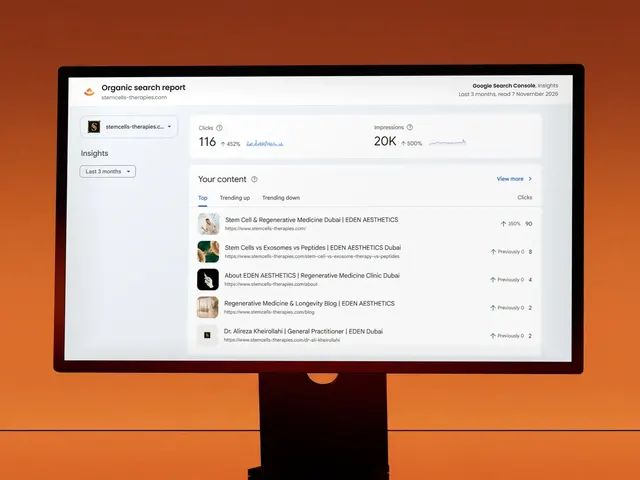
We set up analytics and conversion tracking before launch, so every order is tied to the channel and campaign that drove it. You can also see it in the Adnika Dashboard next to your ads and CRM data. Our guide to ecommerce growth in Dubai shows how to set targets.
Yes, when you need it. Good product content answers buyer questions on the page, such as size, material, delivery and your return policy. Our writers prepare product descriptions and category text in English and Arabic, written for the people reading them and for Google. Clear product copy also cuts the questions your customer support team answers each day.
Marketplaces such as Amazon bring traffic, but they own the customer relationship and take a share of every order. Investing in an ecommerce website gives you your own customer list, your own offers and a direct line for repeat orders. Ecommerce websites enable many brands to run both. The marketplace brings reach while the brand's own site protects margin.
No questions match — try another search.
Free resources
Use these templates and calculators to plan your online store, set revenue targets and test changes once the site is live.
A crash course on content mapping plus a Word template with persona profiles and a content map per lifecycle stage. It can help you decide what each page must say.

A Word marketing plan with a SWOT table, personas, a marketing mix, a budget table and a channel plan. The site brief can then start from the wider plan.
A Word e-commerce marketing plan and an Excel tracker for traffic, add-to-cart, checkout and repurchase rates by channel. Useful when the new site will sell online.
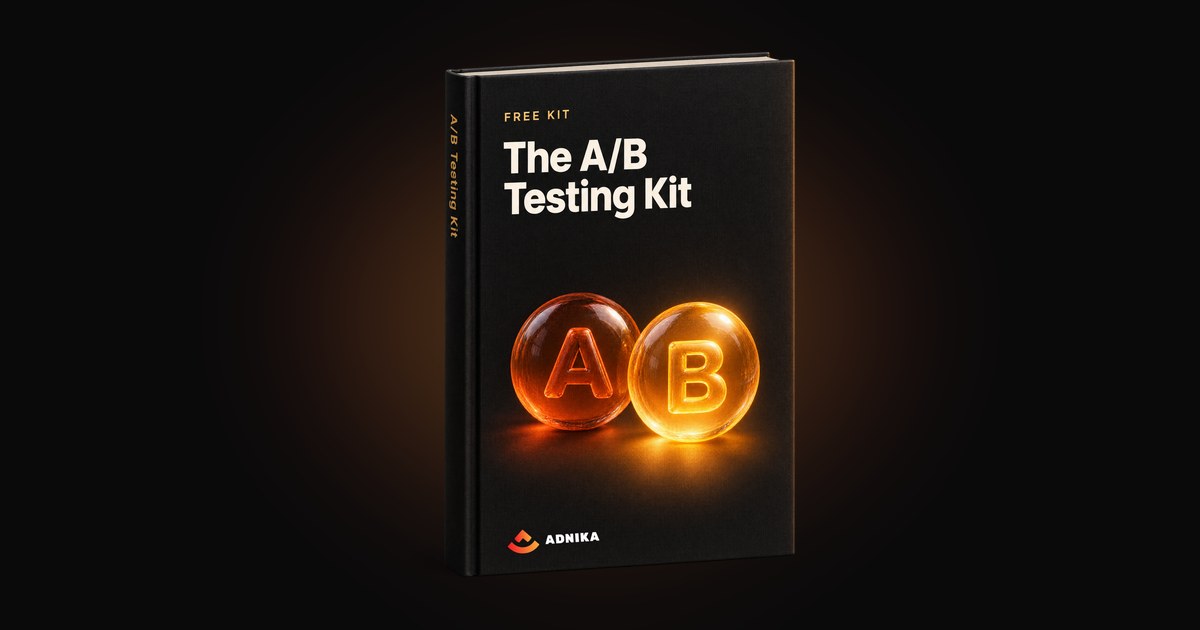
A significance calculator and an Excel test tracker for deciding when an A/B test result is real. It can help you judge page changes after launch.
Work out how many leads sales needs from marketing each month to hit the revenue target, then track progress by region. Useful for setting the site's lead goal.

Where this sits
An online store often sits alongside other website work. These services cover the rest, from corporate sites and Arabic builds to technical audits and copywriting. Each one is handled by the same team that builds your ecommerce website.
Next step
Tell us about your products and your customers. We will come back with a plan, a platform recommendation and the next steps to launch.