 Personal brands
Roxana Diaconu
- Design
- Development
- 3D and motion
Web design & development
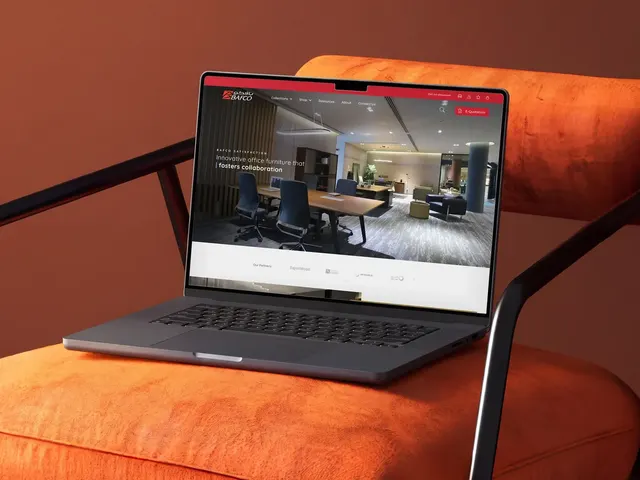
Shopify development in Dubai for brands across the UAE that need to sell in Arabic and English. Your prices show in dirhams with VAT included, and your checkout takes what shoppers here expect, from cards and instalments to cash on delivery. Bafco and Designer's Empire both sell through Shopify stores we built, and we'll keep your app list short.
A senior person reads this and replies within one working day. No call centre, no drip sequence.
The form did not load.
It is our end, not yours. Email us instead and it reaches exactly the same person.
Support@adnika.comPlatforms
Orders don't have to stop at the storefront: they can flow to your CRM or whatever runs your stock.


Websites and plugins we built, most of them on WordPress. Our Shopify stores are under E-commerce. Pick another service or an industry, or search for a client.
View all case studies Personal brands  Corporate
 Healthcare
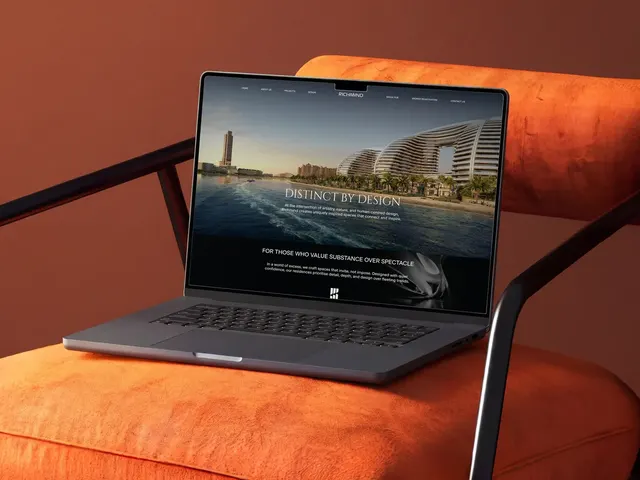
 Real estate
 Real estate
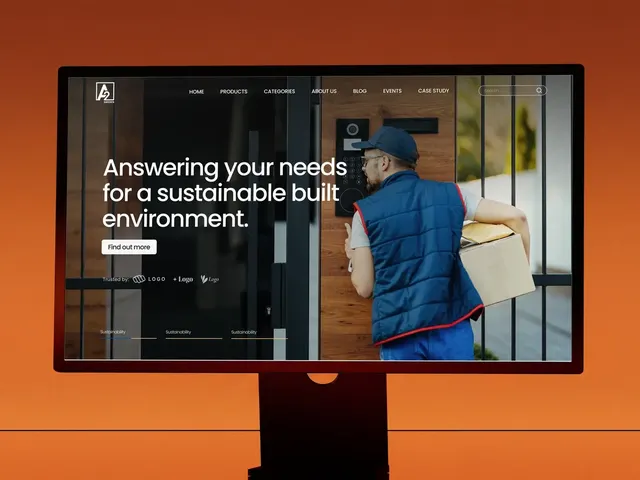 B2B and industry
 Real estate
 Real estate
 Retail and e-commerce
 Retail and e-commerce
 Healthcare
 Interior design
 Personal brands
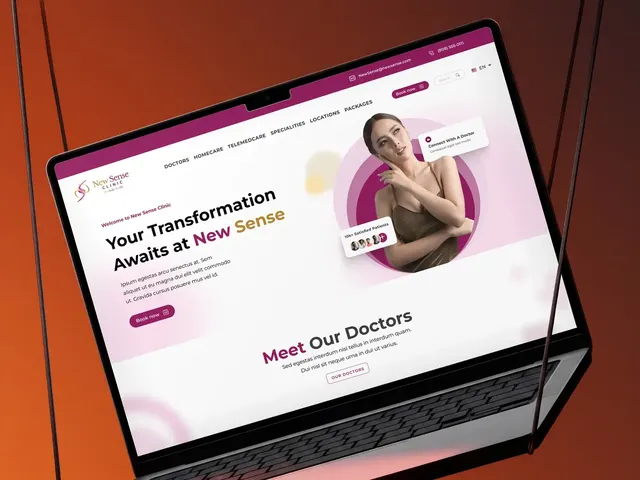 Healthcare
 Healthcare
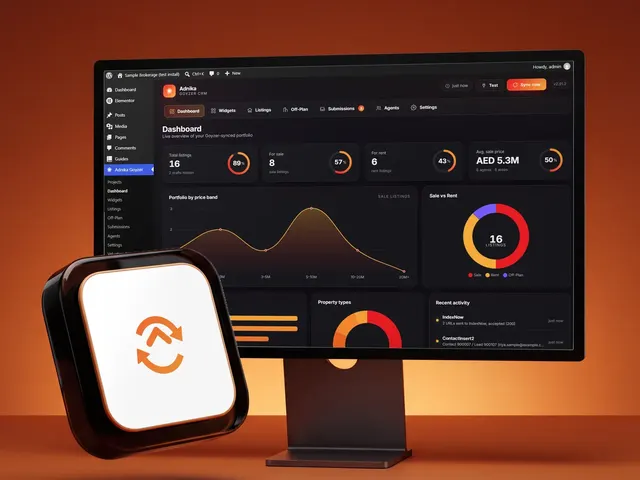 Real estate
 Education
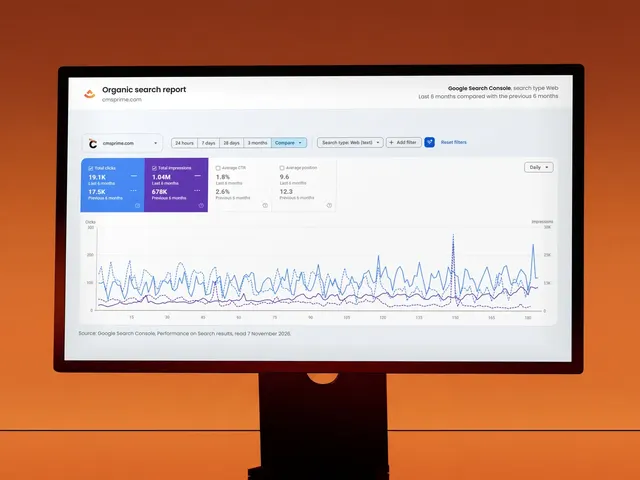 Finance
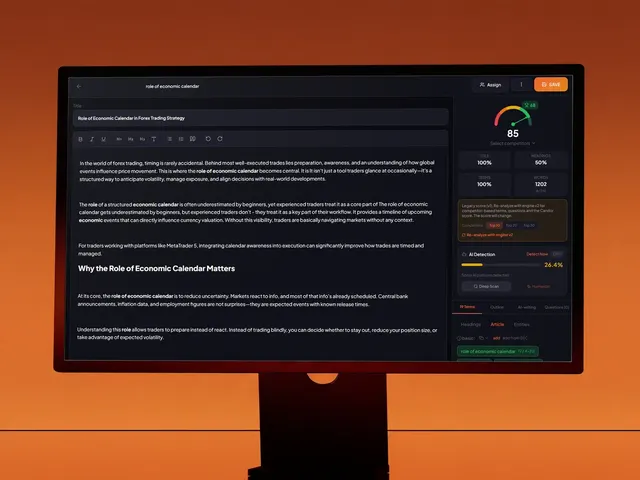 Our own products
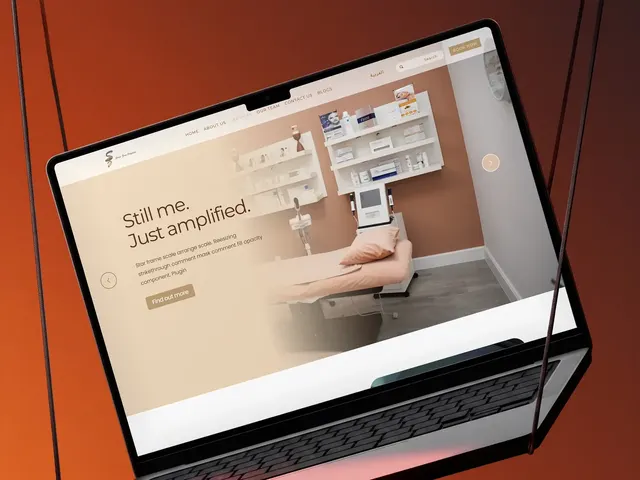 Healthcare
 Real estate
 Finance
 Healthcare
 Our own products
 Our own products
 Our own products
 Healthcare
Nothing matches that yet.
What we do
Adnika is a Shopify agency in Dubai, handling Shopify design and development so your store is built for the months after launch. Launch day isn't usually where stores struggle. Trouble tends to arrive later, when your catalogue grows and the theme starts fighting you. So store design starts with your products, not a theme demo.
A Shopify store is easy to launch and hard to make profitable
A shopper in Al Barsha reaches your checkout late at night. Card, wallet, instalments or cash for the courier? On the Advanced and Plus plans, the platform's own payments service handles cards, Apple Pay, Google Pay and Shop Pay; on Basic and Grow, a third-party provider does. Instalments come through apps such as Tabby's. Cash on delivery (COD) is a manual payment method, and it shifts your fraud and returns exposure. That makes it a commercial call too.
Messy product data sinks a catalogue faster than any theme. It decides what your filters and search can do, and how products show on Google. Collections should follow how your customers describe things, not how the warehouse sorts them. Filters run on product options and metafields (custom product fields): size and length for an abaya, say, or seat height for an office chair. That's why your product data is the first file we'll ask for.
Every app you install can add script to your storefront and a line to your monthly bill. Each one solves a real problem. Together, they create a bigger one: a product page that crawls on a mid-range phone over mobile data. So the platform's own features come first. Where three paid apps overlap on the storefront, one custom app often does the job.
How we work
The process has four stages, or three if you're opening a new store rather than moving one. Product data is usually the slowest part. Your team can start gathering it today.
Your catalogue, payments and delivery get decided before anyone designs a page. For a new store, that covers your variants, COD, delivery promises, languages and markets. If you're already trading, the starting point is your numbers: analytics, search terms that return nothing, where checkout loses people, and the load time each installed app adds. Settle those first and design has firm ground to stand on.
Store setup starts with a choice: a theme from the Theme Store, or custom sections built for your catalogue. Either way, you get Online Store 2.0 sections and blocks your team can add and reorder without a developer. Metafields feed the custom filters. Arabic goes in as a second store language. Payments, tax, shipping and notifications follow, and a test order checks them.
The move changes most of your URLs, so every old one gets a one-to-one 301 redirect (a permanent forward) to its new twin. Migration apps can carry your products, customers, past orders and gift cards across. A migration that drops the old URLs donates your rankings to a competitor. New stores skip this stage.
Launch checks include a test order through each payment method, then a look at whether Google Analytics 4 (GA4) recorded the purchase. Redirects are on the list, tested on the live domain. After that, it's about watching your store as it grows: which searches return nothing, and whether a new app is slowing your product pages. Then the store's yours to run in-house, or ours to look after.
How we use AI
A catalogue export can run to thousands of rows, and a tired eye skips things. AI is quick at the first pass: it can flag missing sizes, duplicate titles, or weights in grams on one item and kilos on the next. That speeds up the clean-up. How your collections and filters get organised is still a person's call, made with you.
Got a big catalogue and thin product pages? AI can rough out descriptions, meta titles, alt text and collection intros, which takes the slog out of a first draft. Nothing goes live on that basis. A person reviews every line, the Arabic as well as the English, so the copy sounds like your brand and the facts hold up. You approve the final version.
Testing old URLs one at a time is slow, and it's easy to miss one. AI helps with that kind of repetition, whether that's confirming where each redirect lands or reading through a theme code change. Final say? Not AI's. A developer reviews the results and signs off before anything ships.
Once real shoppers arrive, the reports pile up: searches with no results, links that hit a 404 page, products with views but no sales, purchase events missing from GA4. AI can help sort that pile into a short list of patterns. Which fix comes first, and what can wait a month? People decide that: your team and ours, looking at the same list.
Why us
Most Shopify agencies can show you a polished portfolio, and portfolios are hard to compare. These four questions tell you more. Here's how we'd answer them.
The stores we built for Bafco and Designer's Empire are both live. Bafco sells office furniture in Dubai and Abu Dhabi; the other is a homegrown UAE fashion brand selling abayas, kaftans and dresses. Try each on your phone, basket and all, before you take our word for anything. Stores change after handover, so ask which parts were ours.
Speed tends to slip after launch, one app at a time, so it's worth rechecking whenever the app list changes. Want a number? Google PageSpeed scores across our client sites average 98. It's an average, so don't read it as a forecast for your store.
We're not a Shopify-only shop, which turns out to matter. Say what you need is a multi-seller marketplace, or a configurator with pricing rules of its own. The platform may fight you the whole way. We'd rather tell you that early, along with what would fit better. Better then than halfway through the build.
You should own the store account, its data and any custom code, and the contract should say so. Ask that store and app accounts sit in your name from the start. A purchased theme is licensed to your store, not owned, so check its terms. That way, changing developers later stays your decision.
Capabilities in detail
These services cover new stores and moves from other platforms, plus work on stores already trading. A first store usually needs more of them than an established one.
Bafco's office furniture store and Designer's Empire's fashion store were both built by our team. A full build covers your theme, product and collection templates, and sections your team can edit, plus the checkout side: payments, tax, shipping and the emails customers get after ordering. Planning a store from scratch? Bring your product list first, because every template gets built around it.
A ready-made Shopify theme is often the right start. Theme customisation earns its cost where your products need explaining: a fabric close-up, say, or a size guide beside the add-to-cart button. Check right-to-left (RTL) support before you buy any theme. After that, the layout follows how your products are bought, and the user experience gets judged on a phone first. If your current store needs a rethink, that's our website redesign work.
You can run both languages from one store, with Arabic published as a second language on its own path, such as /ar/. The platform then adds hreflang tags, the code that points Google to the right language. RTL layout depends on your theme, which also needs a language selector. Translations start in Translate & Adapt or a similar app, and a person corrects each line before launch.
Can your business take cards straight through the platform? Yes, on the Advanced or Plus plan. Visa, Mastercard and Maestro are covered, along with Apple Pay, Google Pay and Shop Pay. You'll need an eligible company type, a company registration number, a trade licence (or, for a sole establishment, a freelancer permit) and a local bank account for payouts. In-store (POS) payments aren't covered. On Basic or Grow, use a provider from the app store.
One of your shoppers wants to split the bill into instalments; the next would rather hand cash to the courier. Tabby covers the first with its official app, and Tamara's app works too; check the currencies each supports before you price in more than one. COD is manual: each order waits as unpaid until your team marks it paid. Show every option at once and your checkout gets cluttered. Offer what your buyers actually use.
If you're VAT-registered, prices should include the 5%, with tax display set to inclusive (tax built into the price shown) so the shelf price matches the receipt. Selling across the GCC (Gulf Cooperation Council)? Shopify Markets can adjust prices per market on any plan. Showing each shopper their own currency, converted at the market rate, needs the platform's own payment service, which here means Advanced or Plus. Don't leave that choice late.
Your courier sets the real delivery time, whatever the product page says. Shipping zones and rates get set up within the UAE first, then abroad if you ship there. Your shoppers should see a delivery estimate before they reach checkout. Offering free delivery above a certain spend? Set the threshold where your margin still works. Then add a returns page anyone can follow, and order emails that answer 'where's my parcel?' before your customer asks.
Most of your URLs change in a migration, because product pages must sit under /products/ and collections under /collections/. So the move starts with a redirect map, imported as a CSV. Google's advice: leave those redirects running for a year or longer. When our own site, adnika.com, swapped WordPress for Astro in July 2026, we mapped its 180 old URLs first: 129 stayed put and 51 now redirect.
Your product and collection pages do most of the ranking, so SEO starts there. Titles and handles (the URL slug) are written for what your shoppers search, with meta descriptions and alt text to match. Collections get short intros. Check the structured data your theme outputs; it tells Google the price and stock. The sitemap comes built in, and Arabic pages get their own metadata. Our SEO services take it from there.
Read morePlace a test order before launch and watch it land in GA4. Connect GA4 through the Google & YouTube channel and your store sends a set of e-commerce events by itself. Key events (whatever you decide counts as a conversion) then show your conversion rate by device and channel. Trade quote requests can flow into your CRM, where your sales team will actually see them.
Read moreShopping ads run on your product feed, so the feed is part of the build. Products sync to Google Merchant Center through the Google & YouTube channel; a sloppy title there becomes a sloppy ad. Purchases recorded in GA4 can pass into Google Ads as conversions, so bidding learns from real sales. Ready the feed and seasonal collections well before Ramadan or White Friday. Rather not run campaigns yourself? That's our PPC (pay-per-click) management work.
Read moreOur approach to Shopify apps starts with what the platform already does. Each installed app gets weighed on two things: load time and monthly fee. Where several overlap, theme code or one custom Shopify app can often replace them; custom apps that change checkout or discount logic need Plus, though. That app development is scoped like any other feature. There's nothing wrong with an off-the-shelf app that earns its place. Plenty do.
2.5 seconds is Google's 'good' mark for main content to appear (LCP). Taps should respond within 200 milliseconds (INP); layout jumps (CLS) should stay at 0.1 or below. Your product pages and collection listings go through PageSpeed Insights and Lighthouse with mobile settings, where heavy images and app scripts show up. Fast at launch, slow six months later? That's often an app list nobody's been watching, and it's what website maintenance is for.
Read moreA shopper buying one item and a procurement team ordering by the carton want opposite things: one wants a fast checkout, the other is after a trade price and a purchase order. B2B (selling to other businesses) now runs on every plan from Basic, with company accounts, price breaks, net payment terms and quick order lists. Shopify Plus adds unlimited B2B catalogues (trade price lists), customer-level pricing, deposits and partial payments.
Which platform suits your store? Pick Shopify if the site exists mainly to sell and you'd rather not run hosting or checkout yourself. If your content and editors already work in WordPress, WooCommerce tends to make more sense. A product configurator or a multi-seller marketplace usually calls for custom e-commerce website development instead. Whichever wins, you'll know why.
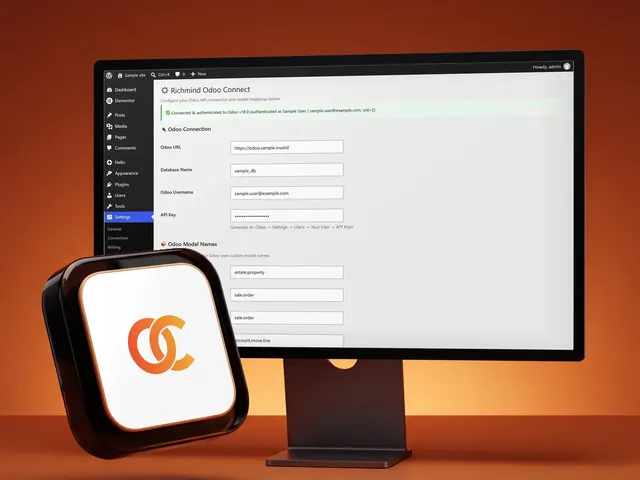
Read moreTwo integrations from our own work: an Odoo connection for Richmind, and a plugin that syncs Concept Plus Real Estate's listings from Goyzer into WordPress every hour. Neither is a store. The same methods can connect yours to HubSpot CRM or to an ERP, the system behind your stock and accounts, through APIs and webhooks. Stock that disagrees between systems costs you repeat customers. Bespoke connectors are custom web development work.
Read moreTechnology
Fewer apps make a faster store, so the tools below are picked to cover what your platform doesn't: design, search, speed and tracking. On Shopify, hosting, checkout, security and platform updates come built in.
Picked by who runs your site day to day.
Designed in Figma, built for your team to edit.
Old URLs stay findable after a move.
Checked on mobile settings, not office fibre.
Set up so each order and lead counts once.
Industries
Every number below is the count of case studies we have actually published in that sector, and the best result among them. Nothing is a counter.
Client stories
On camera and in writing — swipe through the founders and teams we’ve helped design, build and grow.
In their words
GMC is thrilled to extend our heartfelt appreciation to Adnika! Collaborating with Ehsan and his team has consistently been an absolute delight. Ehsan's dedication and commitment have ensured that German Medical Center remains an exceedingly satisfied and happy client, especially regarding their Hubspot Onboarding, Digital Marketing, Website Development, Content Creation and Social Media Marketing. Adnika is indeed the Best Digital and Growth Marketing Agency in UAE!
Adnika provided us with their Inbound Sales and Marketing solutions through Hubspot. They helped us generate more qualified leads for our sales team, drive website traffic, increase customer engagement, and grow our customer base. Adnika is a reliable partner that has always taken our specific goals and needs seriously.
Adnika has helped us plan, implement and optimize ad campaigns on Facebook and Instagram. Adnika is truly committed to Performance Marketing. They provided us with a fantastic dashboard with detailed KPIs that helped us track the campaigns’ performance in real time. Adnika also gave us helpful and dedicated support during the whole project, and the campaigns turned out to be a great success. We highly recommend working with Adnika's growth experts.
We really enjoyed working with Adnika’s team. Not only are they talented, but they all take the time to understand whom they're working with, what they're trying to accomplish, and how to help the business achieve its goals. The quality of work we've experienced has made a huge difference for us and helped drive new business.
Adnika helped Sea Technology with setting up new digital channels, such as Google Search Ads, to attract more customers and leverage our brand. We are very satisfied with the results and we will continue with the implementation of lead generation, marketing automation, and performance marketing.
Working with the Adnika team has been a real pleasure! Extremely friendly, Ehsan and Elin are always available with prompt replies, valuable insights, patience, a problem-solving attitude, and high knowledge. Super easy to work with them. I highly recommend the Adnika team to help your business!
I am an artist, but I also manage a collective of DJs. In order to promote our services to our clients, we needed Inbound solutions that could attract the right traffic and promote the brand. Adnika built and designed our Inbound processes as well as create and manage campaigns on social media and Google Ads which helped us attract many more customers. I’m very happy!
We've been using Adnika growth marketing solutions only for a few months. They are highly professional, competent, experienced, and creative. Get ready to get to work with this agency. They will come alongside you as a business owner and feel your pain and joy! Get ready to transform your business.
FAQ
The first question is usually whether you can sell here at all. Cost comes second. The rest are what brands ask before a store build.
Yes, it's available to businesses in the United Arab Emirates, and local brands sell on it in dirhams. Shopify itself is Canadian, founded in Ottawa, in case you'd wondered. Its own payment service works here only on the Advanced and Plus plans; Basic and Grow stores take cards through a third-party provider. Quick readiness test: do you hold a trade licence, or a freelancer permit for a sole establishment? The payment service asks for one. Posts saying it isn't offered here are out of date for Advanced and Plus stores.
There's no honest single figure until a store build is scoped. Your catalogue is one of the biggest cost drivers: how many products you sell, and how much cleaning the data needs. Ready-made themes cost less to set up than custom sections. A second language adds work, and so do payment set-up, integrations and migrating an older store. And that's before running costs, meaning the monthly plan plus whatever apps you subscribe to. Whoever you talk to, get a written scope with every item priced; it's the easiest way to compare quotes like for like.
You'll pay a monthly plan fee on Basic, Grow, Advanced or Plus, and paying yearly costs less than paying monthly. Current prices for local stores are on the platform's own pricing page. We won't quote them here, because they change and a stale figure helps nobody. App subscriptions and any paid theme come on top. With the platform's own payment service, which here needs Advanced or Plus, card rates depend on your plan. Use another provider and you pay its fees plus the platform's third-party transaction fee. Manual methods such as COD don't carry that fee.
The cost of hiring a developer depends on who you pick and how much of the job you hand over. Freelancers often bill by the hour or the task; agencies usually quote per project. Freelance Shopify developers in Dubai can be good value for small jobs. An hourly rate looks cheaper until the work spans design, payments, SEO and tracking, and you're the one coordinating everyone. A tip: send every option the same brief. Whose questions come back sharper? That tells you almost as much as the price.
For eligible UAE businesses on the Advanced or Plus plan, yes. It takes Visa, Mastercard and Maestro, plus Apple Pay, Google Pay and Shop Pay. Basic and Grow stores can't use it, so they take cards through a third-party provider. Eligible means an LLC or sole establishment, mainland or free zone, with a company registration number and a local bank account for payouts. You'll also need a trade licence; a sole establishment can use a freelancer permit instead. LLCs need their memorandum of association, and non-profits aren't eligible. It won't take payments in your physical shop, though. Card rates depend on your plan.
Cards and digital wallets run through the platform's own payment service on the Advanced and Plus plans; on Basic and Grow, a provider from the app store takes cards instead. Instalments come from apps too. Tabby has an official app for splitting payments, and Tamara's integration installs the same way. Cash on delivery is the odd one out, with no provider involved at all; it's a manual method you switch on. Before you build checkout around any provider, check its eligibility rules and the currencies it supports.
It can. Cash on delivery is turned on in your payment settings as a manual method, and from then on each COD order lands as unpaid until someone marks it paid, so your team needs a routine for reconciling the courier's cash. The upside? No third-party transaction fee. The catch is refusals: parcels turned away at the door, and return shipping you've already paid for. Whether it's worth offering can depend on category and order value, so decide case by case.
Judge any agency by the live stores it can show you and how it handles local details, not by the badges on its website. Choosing the right Shopify partner comes down to six questions: Which live stores can I open? How will you set up COD and instalments? Does the theme handle Arabic properly? How many apps will the store run, at what monthly fees? Who owns the custom code and the accounts? What happens after launch? Shopify agencies in Dubai that answer all six clearly deserve a second meeting. We'd answer the first with Bafco and Designer's Empire.
For a contained job, like fixing one theme section, a freelancer is often the better hire. Once the work spans several skills at the same time, it starts to make sense to work with a Shopify agency. Shopify experts in Dubai range from solo developers to full teams, and the title alone tells you little. With an agency, someone still answers when your developer is on leave. And if all you need is a one-off tweak, we're probably not the right agency for it.
A Shopify agency, as it's more often called, designs and builds online stores for local businesses, then helps run them once they're trading. The scope runs from e-commerce website design and store set-up to payments, tax, languages, migrations, apps, speed, product SEO and tracking, plus support after launch. Why hand all of it to one team? Of the benefits of hiring a Shopify agency, this one's the plainest: when something breaks, a single development agency answers for it.
Both languages can share a single store. Arabic goes live as a second store language, with its own URL path such as /ar/. Your theme has to support right to left, so check that before you buy one. A translation app such as Translate & Adapt gives you a first draft, which a person then edits. The platform adds the hreflang tags, so Google can match each page to its language. One detail catches people out: prices and phone numbers still read left to right inside Arabic text, and your layout has to allow for it.
If you're registered for VAT, show every price in dirhams with the 5% already included, because the Federal Tax Authority expects registered businesses to display tax-inclusive prices. In your store's tax settings, switch on the option to include tax in displayed prices. Then check that your product page and cart show the same item price. Registration and filing returns sit with your tax adviser, and we'd rather you asked them than us.
One store can cover them all, with each country, say Saudi Arabia or Kuwait, set up as its own market. Price adjustments per market work on any plan. Showing shoppers their own currency, converted at the market rate and rounded, is another matter: that needs the platform's own payment service, which for a store based here means Advanced or Plus. Before opening a new country, ask your adviser about duties and tax there, and your courier whether they deliver.
For most fashion and cosmetics brands it's a good fit, since variants, size and shade options and image-led product pages come built in. Designer's Empire, a homegrown fashion brand selling abayas, kaftans and dresses, runs on a store we built. Fashion shoppers will probably want to filter by size and length. Cosmetics work a little differently: shades become product options and ingredients go in metafields (custom product fields), so someone hunting for fragrance-free can filter for it in one tap.
Most of our website builds take four to twelve weeks, and product data is often the biggest factor in where yours lands in that range. Clean spreadsheets move fast; scattered ones don't. A second language and a migration both push you towards the top end. Want to shorten the wait? Your team can gather product photos and specs now, before any design exists.
Choose Shopify when selling is the site's main job, and WooCommerce when your content and team already live in WordPress. The first runs hosting and checkout for you, security included. The second gives you more control, but its hosting and plugin upkeep become your job. There's a third answer, too. A marketplace with many sellers, or a product with complex configuration rules, usually needs a custom build.
You probably don't need Plus at the start, especially now that B2B selling runs on every plan from Basic. That removed one of the old reasons to upgrade. If you want the platform's own card payments here, though, you'll need Advanced or Plus. Plus still adds customer-level B2B pricing and unlimited B2B catalogues. It also opens the information, shipping and payment steps of checkout to customisation, and lets custom apps use Functions, the code that changes checkout and discount logic. If you're weighing it up, we'll compare Plus with your current plan on your actual numbers, rather than recommending it by default.
Both can move across, though the route depends on the data. Products and customers go by CSV or migration app; past orders need a migration app. Custom product fields can be mapped to metafields. Reviews and data held by plugins need their own route, usually an export from the old system. Wix stores move the same way. On cut-over day, pause orders for a short window so nothing gets lost between systems. And every old URL gets its own 301 redirect.
A platform move shouldn't do lasting damage to your Google rankings, provided every old URL gets a one-to-one 301 redirect and its content comes across intact. Google does warn that rankings can fluctuate for a while during a move. Most of your addresses will change, because product and collection pages must sit under fixed paths. Point each old page at its true equivalent, never the homepage, and bring titles and meta descriptions across with the products. Once the store is live, send Google the new sitemap through Search Console. And don't retire the redirects early: Google's guidance is a year, minimum.
You own the store account and its data, and you decide who looks after it. Custom code written for your store should be yours too. Themes and apps are a different matter: they're licensed to your store, not owned. After launch, you can take the handover and run things in-house, which is a fine outcome, or keep us on for website maintenance, from speed checks to theme updates. Either way, the store shouldn't depend on us to keep running.
No questions match — try another search.
Free resources
Free templates from our resources library that can help you plan a Shopify store and its launch, then test, email and advertise once it is live.
A Word e-commerce marketing plan and an Excel tracker for traffic, add-to-cart, checkout and repurchase rates across every channel you sell on, Shopify included.
Product marketing templates covering positioning, personas, pricing, a launch plan, a roadmap, a life cycle map and a product deck. Useful before new products go live in the store.
A significance calculator and an Excel test tracker for deciding when an A/B test result is real. It can help you judge changes to product and collection pages.
An Excel planner for every store email, with owner, status, subject line and lists, plus delivery, open and click rates worked out for you.
An advertising plan template, a pitch deck and a guide to costs, pros and cons of different types of advertising. It can help plan paid traffic to the store.
Where this sits
Shopify is one platform decision among several. The hub sets out how we choose, and the pages below cover the rest of our web work.
Next step
Send your store URL and tell us what's holding it back, from slow pages to an awkward checkout. Starting from scratch? A product list is enough to start.